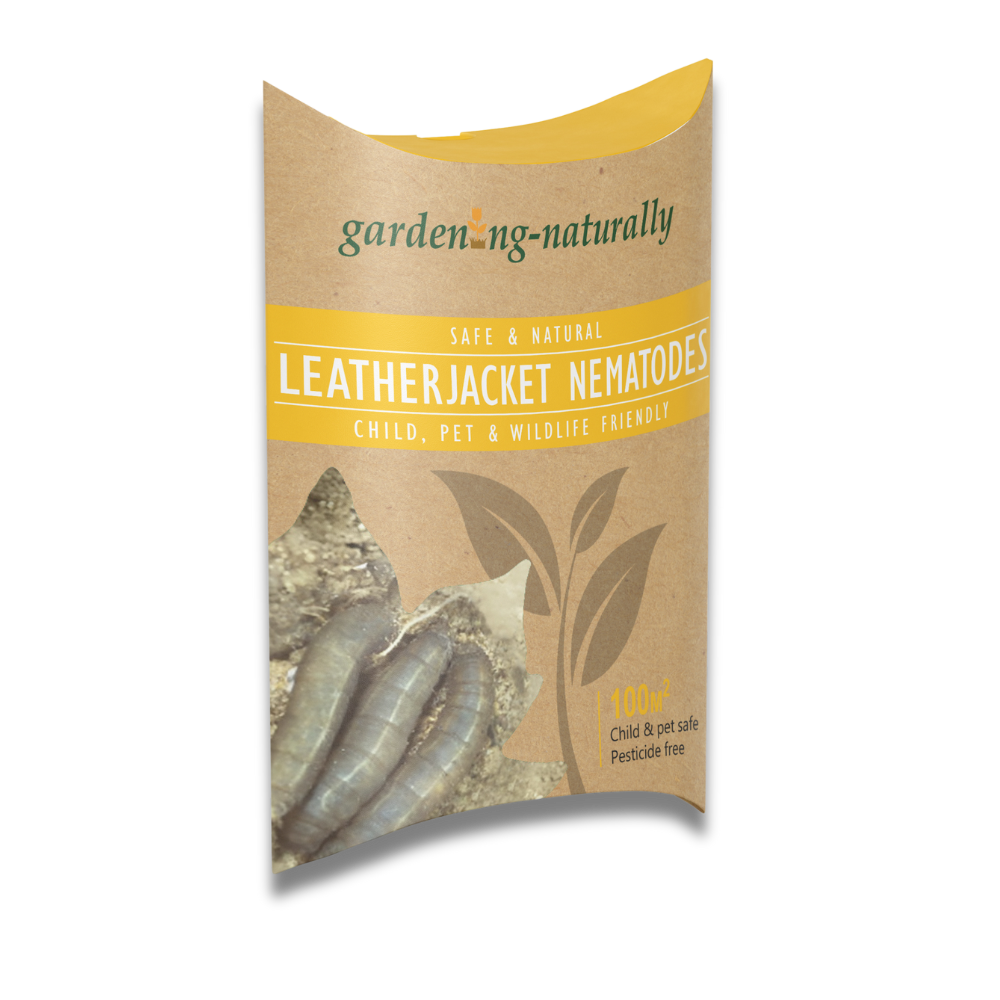
Leatherjacket Nematodes 100sqm Lawn Treatment area
Please select your delivery dates
Couldn't load pickup availability
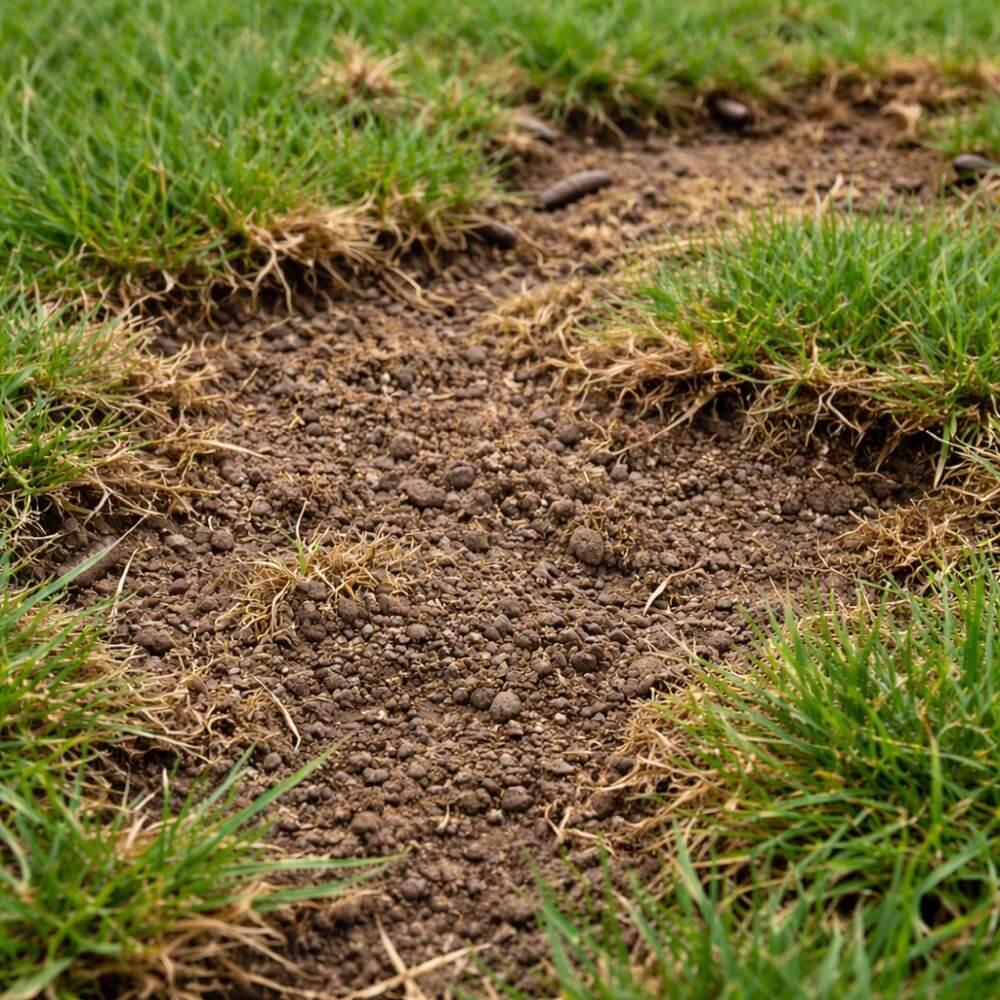
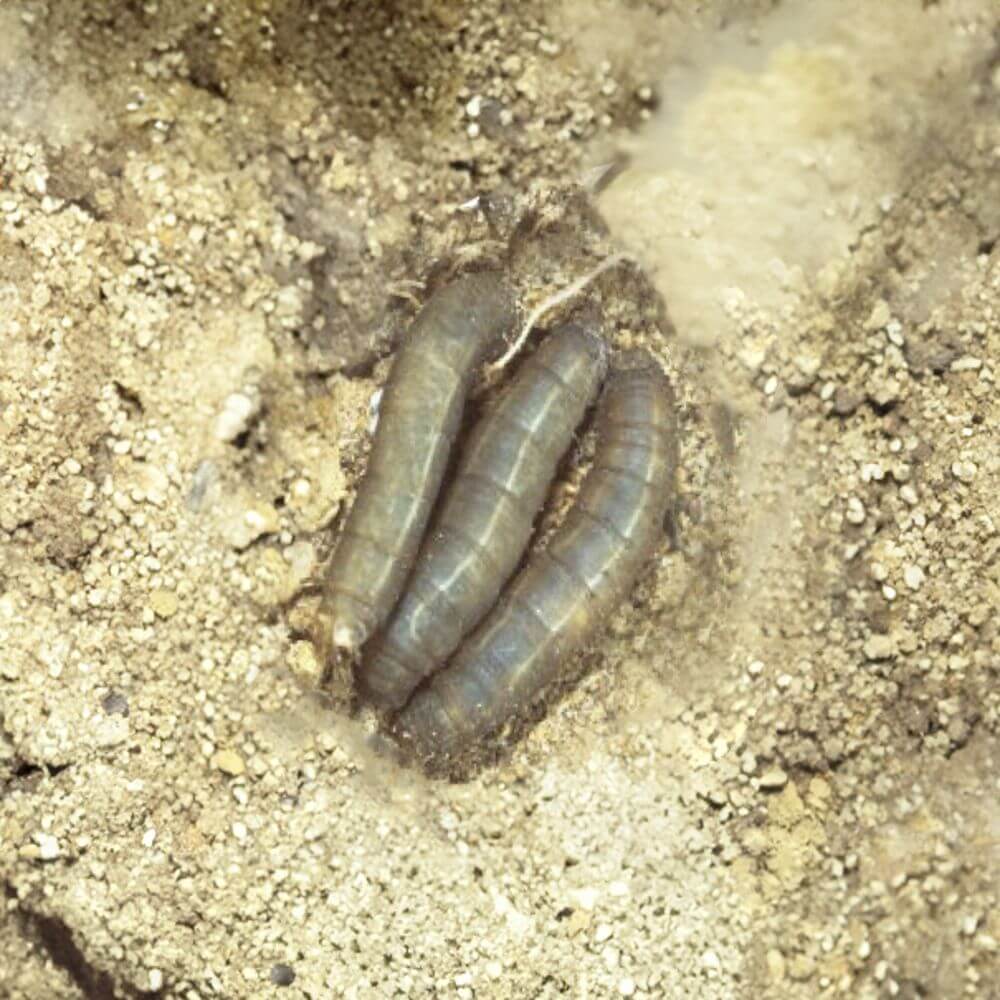
Leatherjackets are one of the most common causes of lawn damage in UK gardens. These grey-brown larvae are the young stage of crane flies, often called daddy-long-legs, and they live in the soil feeding on grass roots. When large numbers are present, lawns may develop yellow patches, thinning turf and areas that lift easily from the soil.
This 100 square metre pack of leatherjacket nematodes provides a natural method for managing these root-feeding pests. Once applied with water, the microscopic nematodes move through moist soil where leatherjackets are active, helping to reduce their numbers and support healthier grass growth.
What are leatherjackets?
Leatherjackets are legless larvae that live just below the soil surface. They feed on the roots of grass plants throughout autumn and winter and can cause significant lawn damage by spring. Adult crane flies appear in late summer and lay eggs in lawns, which hatch within a couple of weeks.
When to apply leatherjacket nematodes
The most effective time to apply leatherjacket nematodes is shortly after the crane fly egg hatch period, when the young larvae are active near the surface.
- Best applied from late August to October
- Spring treatment can help if damage continues
- Apply when soil temperature is above 8°C
- Apply to moist soil and keep the lawn damp afterwards
Signs of leatherjackets in lawns
- Yellow or patchy grass
- Weak turf that lifts easily
- Birds pecking at the lawn
- Grey-brown larvae found just below the soil surface
How to apply
- Water the lawn before treatment if the soil is dry.
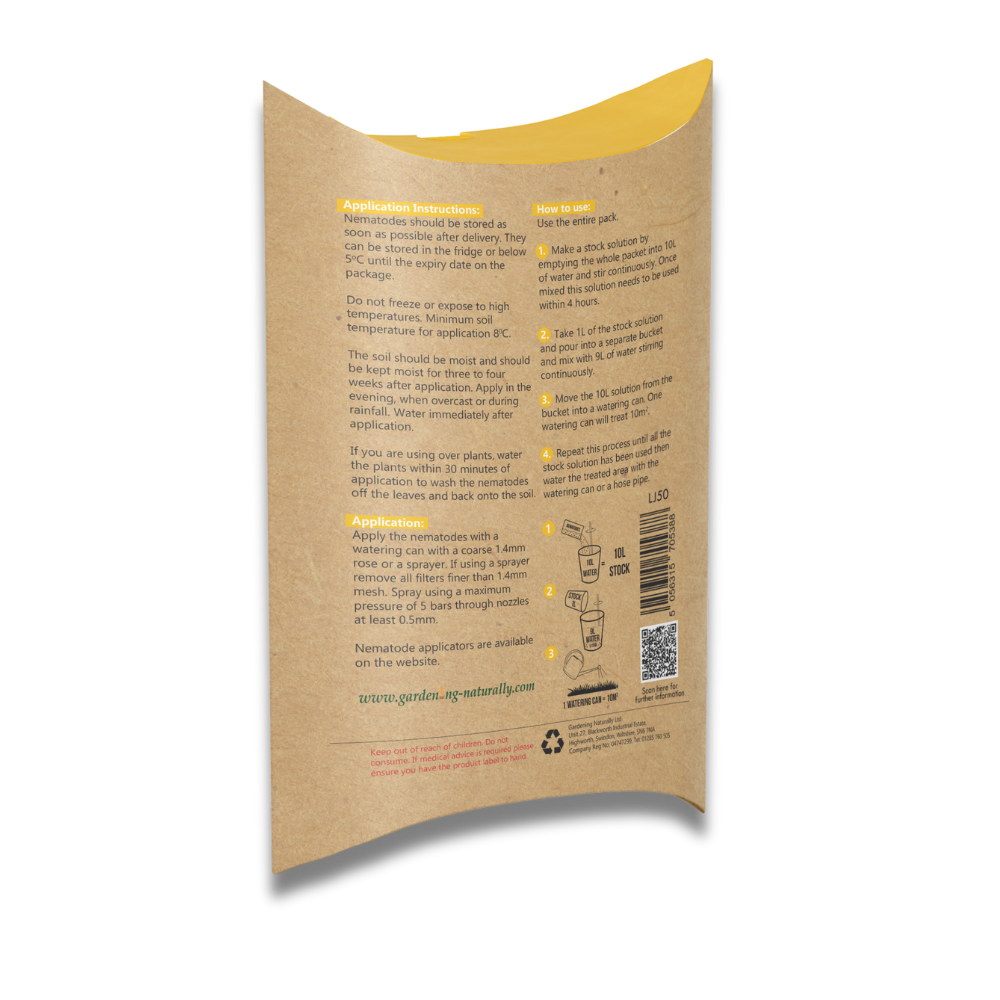
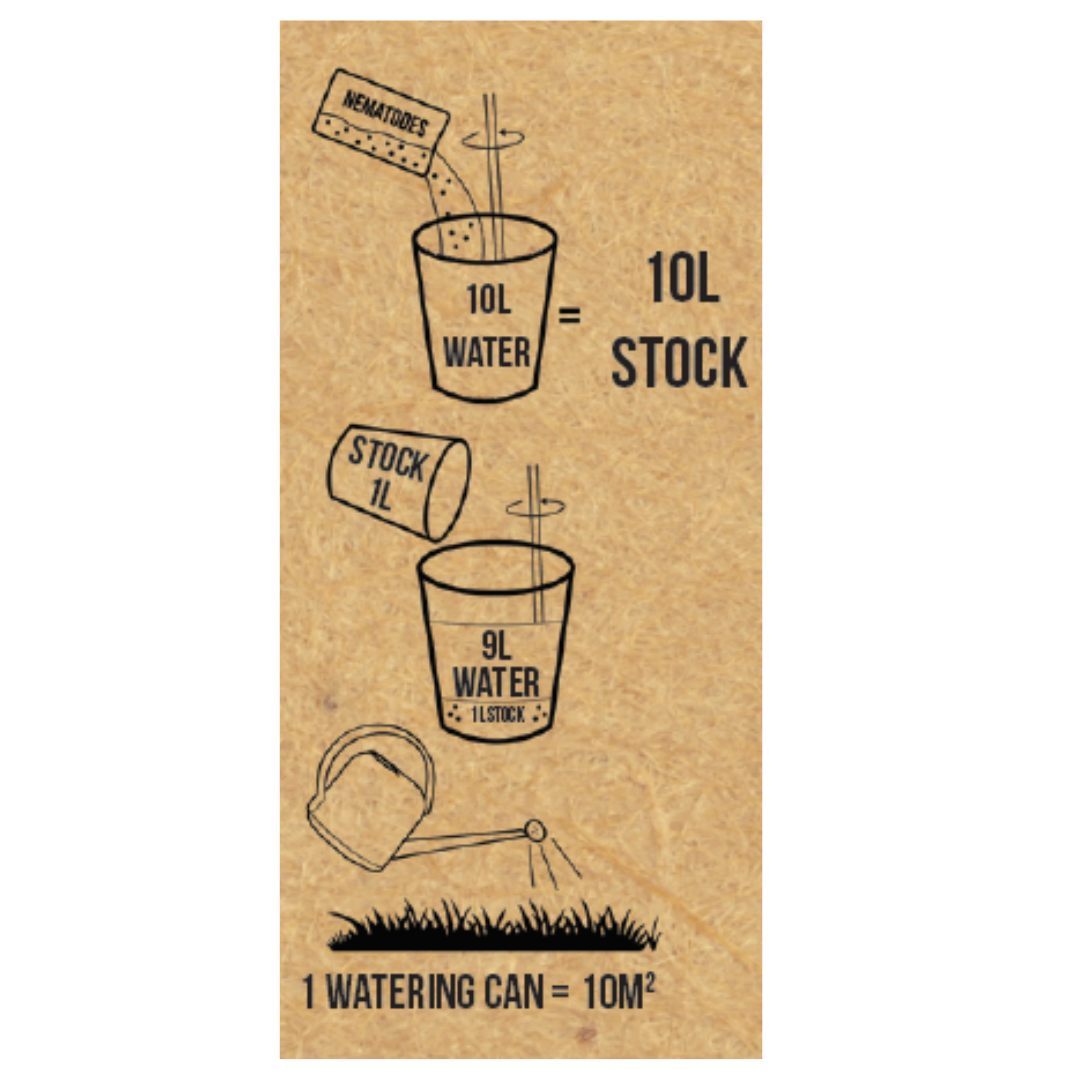
- Mix the nematodes with water according to the instructions.
- Apply evenly across the lawn using a watering can for nematodes can or an applicator for nematodes.
- Water again after application to help them move into the soil.
- Keep the treated area moist for at least 7 days.
Safe biological lawn treatment
Leatherjacket nematodes are a biological control rather than a chemical treatment. When used as directed they are suitable for family gardens and can be applied to lawns accessed by pets, children and wildlife.
Need more information on leatherjackets?
- Do I have a leatherjacket or chafer problem?
- How do nematodes work
- Frequently asked questions on leatherjacket nematodes
- How to use nematodes
Storage information
This product contains live nematodes and should be stored in the refrigerator on arrival. They normally have a shelf life of around two weeks from dispatch and should be used before the expiry date. Due to the perishable nature of live nematodes, this product is non-returnable.
Frequently Asked Questions
What area does this pack treat?
One pack treats up to 100 square metres of lawn.
When should leatherjacket nematodes be applied?
The main treatment window is late summer to early autumn when crane fly eggs have hatched and young larvae are feeding in the soil.
How do I know if leatherjackets are present?
Signs include thinning or yellow grass, birds feeding on the lawn, and turf that lifts easily due to root damage.
Are nematodes safe to use?
Yes. Nematodes are naturally occurring organisms used in biological pest control and are suitable for domestic gardens when used as directed.
Leatherjackets are one of the most common causes of lawn damage in UK gardens. These grey-brown larvae are the young stage of crane flies, often called daddy-long-legs, and they live in the soil feeding on grass roots. When large numbers are present, lawns may develop yellow patches, thinning turf and areas that lift easily from the soil.
This 100 square metre pack of leatherjacket nematodes provides a natural method for managing these root-feeding pests. Once applied with water, the microscopic nematodes move through moist soil where leatherjackets are active, helping to reduce their numbers and support healthier grass growth.
What are leatherjackets?
Leatherjackets are legless larvae that live just below the soil surface. They feed on the roots of grass plants throughout autumn and winter and can cause significant lawn damage by spring. Adult crane flies appear in late summer and lay eggs in lawns, which hatch within a couple of weeks.
When to apply leatherjacket nematodes
The most effective time to apply leatherjacket nematodes is shortly after the crane fly egg hatch period, when the young larvae are active near the surface.
- Best applied from late August to October
- Spring treatment can help if damage continues
- Apply when soil temperature is above 8°C
- Apply to moist soil and keep the lawn damp afterwards
Signs of leatherjackets in lawns
- Yellow or patchy grass
- Weak turf that lifts easily
- Birds pecking at the lawn
- Grey-brown larvae found just below the soil surface
How to apply
- Water the lawn before treatment if the soil is dry.
- Mix the nematodes with water according to the instructions.
- Apply evenly across the lawn using a watering can for nematodes can or an applicator for nematodes.
- Water again after application to help them move into the soil.
- Keep the treated area moist for at least 7 days.
Safe biological lawn treatment
Leatherjacket nematodes are a biological control rather than a chemical treatment. When used as directed they are suitable for family gardens and can be applied to lawns accessed by pets, children and wildlife.
Need more information on leatherjackets?
- Do I have a leatherjacket or chafer problem?
- How do nematodes work
- Frequently asked questions on leatherjacket nematodes
- How to use nematodes
Storage information
This product contains live nematodes and should be stored in the refrigerator on arrival. They normally have a shelf life of around two weeks from dispatch and should be used before the expiry date. Due to the perishable nature of live nematodes, this product is non-returnable.
Frequently Asked Questions
What area does this pack treat?
One pack treats up to 100 square metres of lawn.
When should leatherjacket nematodes be applied?
The main treatment window is late summer to early autumn when crane fly eggs have hatched and young larvae are feeding in the soil.
How do I know if leatherjackets are present?
Signs include thinning or yellow grass, birds feeding on the lawn, and turf that lifts easily due to root damage.
Are nematodes safe to use?
Yes. Nematodes are naturally occurring organisms used in biological pest control and are suitable for domestic gardens when used as directed.
Shipping Information
Free shipping on all
nematodes or £4.98 per order
Share

Discover more...
-
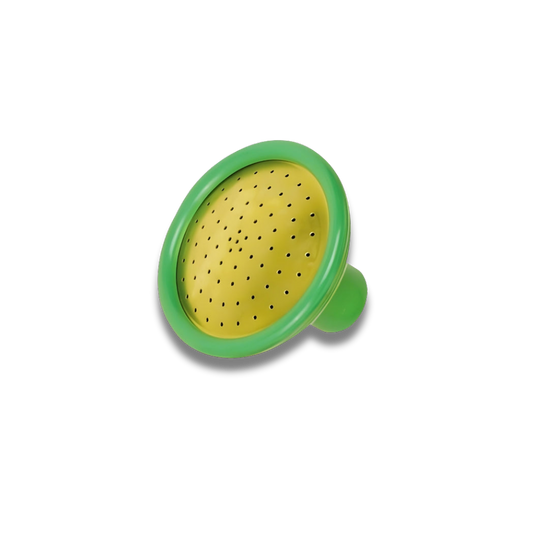
Coarse Watering Can Rose for Nematodes
Regular price £5.99 GBPRegular priceUnit price / perSale price £5.99 GBP -
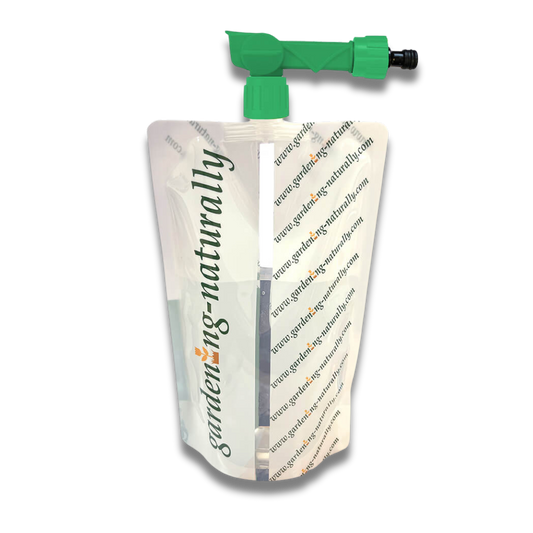
Nematode Easy Applicator & Garden Feeder
Regular price £9.99 GBPRegular priceUnit price / perSale price £9.99 GBP -
Watering Can for Nematodes 6.5L For Garden
Regular price £9.99 GBPRegular priceUnit price / perSale price £9.99 GBP -
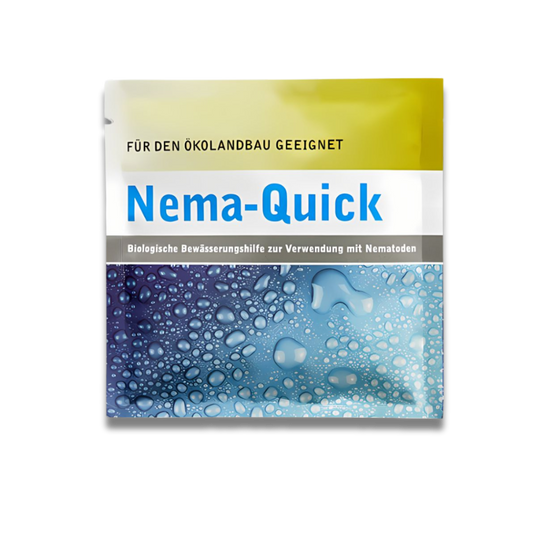
Nemaquick Bio-logical irrigation aid
Regular price £8.99 GBPRegular priceUnit price / perSale price £8.99 GBP -
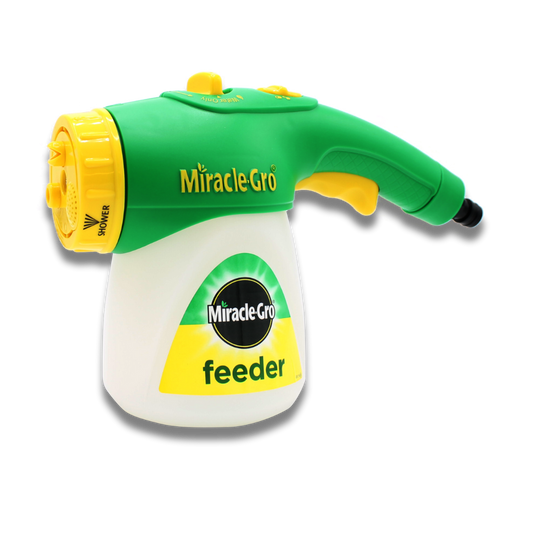
Miracle Gro Nematode Fertiliser Applicator & Garden Feeder
Regular price £16.99 GBPRegular priceUnit price / perSale price £16.99 GBP